
The Ohio Inmate Population
The Ohio inmate population is split between local and state systems. County sheriffs, regional jail commissions, and some municipal police departments handle people booked after arrest, people waiting for trial, and many short local sentences. The Ohio Department of Rehabilitation and Correction, known as ODRC, handles the sentenced state-prison population, Adult Parole Authority supervision, post-release control, and some records for people judicially released or listed as violators at large. Federal custody uses the Bureau of Prisons, and immigration detention uses ICE.
The safest search path follows the person through the system. A fresh arrest usually appears first in a county jail or regional jail roster. If a felony sentence later sends the person to prison, the county roster may stop showing the record and the ODRC Offender Search becomes the better source. A court docket explains the filed charges, bond, plea, sentence, revocation, and judicial-release activity that a roster may not show.
The ODRC facilities page shows how Ohio organizes state institutions across North, South, and Specialty regions.
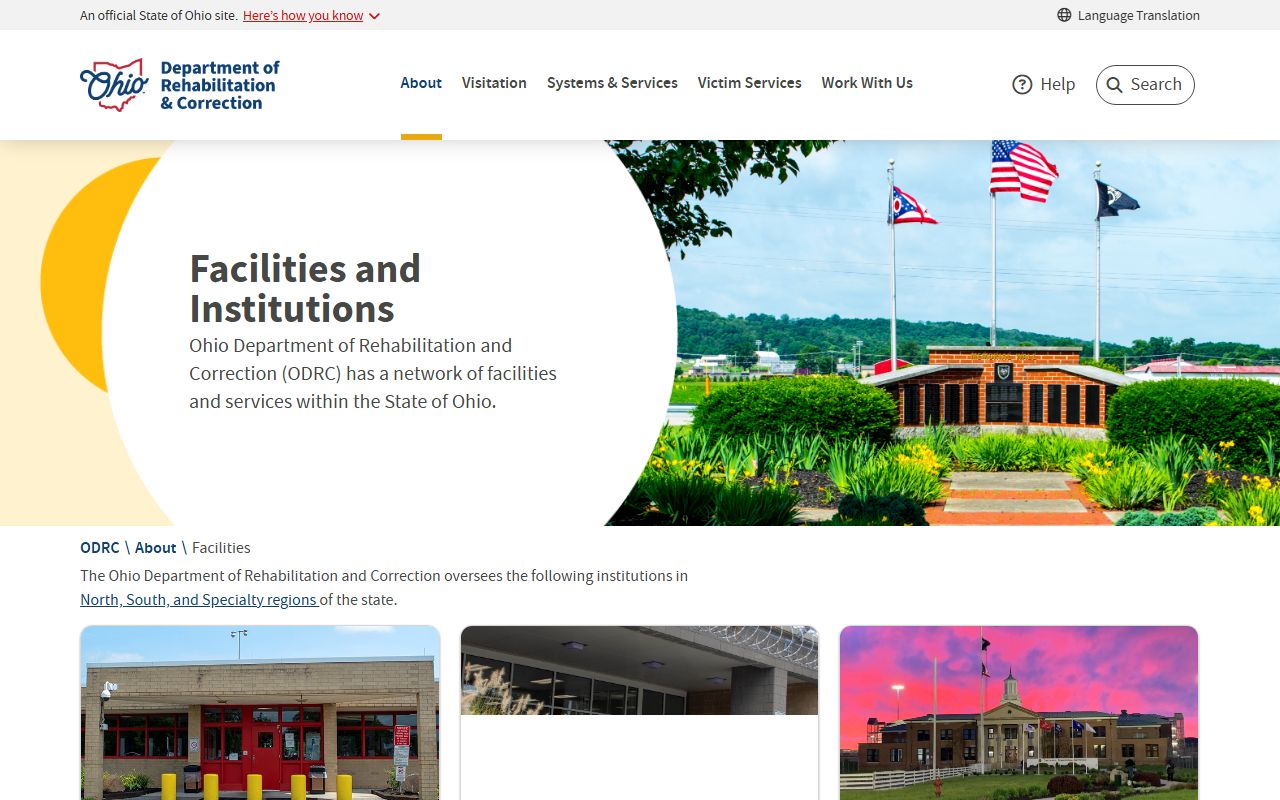
That facilities view matters because a prison inside one county is still a statewide ODRC institution, not the county jail for that county.
Ohio Inmate Population Statistics
ODRC's most usable exact statewide count in the research file is 45,704 total institutional population as of January 6, 2026, from the agency's monthly population count screen-reader report. ODRC's December 2025 count by institution showed 45,833 total in search-index text. Earlier monthly figures cited in the research were 45,466 on July 1, 2025 and 45,454 on September 3, 2025. The careful statement is that the Ohio state-prison population was broadly stable to modestly rising from mid-2025 into early 2026, staying in the mid-45,000s.
| Measure | Figure | Source / date |
|---|---|---|
| ODRC institutional population | 45,704 | ODRC monthly population count, January 6, 2026 |
| Prior monthly count | 45,833 | ODRC December 2025 count-by-institution report text |
| County coverage | 88 county folders | Research-Ohio locality directory |
| Statewide trial-court portal | No single statewide trial-court search | Ohio courts directory and Supreme Court docket research |
Ohio Inmate Population Trends
The trend data in the research supports a narrow, dated claim, not a broad claim about every jail bed in Ohio. ODRC reports stronger state-prison population data than most local jail systems, but the statewide jail side remains local. County jail counts, regional jail average daily population, ODRC institutional counts, private-prison populations, community-corrections beds, and electronic monitoring are different measures. Mixing those counts would blur the Ohio inmate population instead of clarifying it.
| Date | ODRC institutional population | Use in statewide copy |
|---|---|---|
| July 1, 2025 | 45,466 | Mid-2025 baseline cited in research |
| September 3, 2025 | 45,454 | Stable mid-2025 count |
| January 6, 2026 | 45,704 | Accessible exact ODRC count |
The May 2026 workforce fact sheet snippet in the research used a different staffing-ratio population, identifying 41,965 non-private-prison population plus private-prison populations at Lake Erie Correctional Institution, North Central Correctional Complex, and Northeast Ohio Correctional Center. That is why dated source labels are important. A staffing-ratio population is not the same thing as total institutional population.
Population movement also changes the search path. A person can be in a county jail at first appearance, move to a regional jail while the case is pending, return to court for sentencing, enter ODRC through a reception center, transfer to a prison with the right security level or medical capacity, and later move to supervision. Each step can create a different public record. The Ohio inmate population is therefore best read as a flow between agencies, not as one fixed list of names.
Ohio Inmate Records Law
Ohio's open-records framework starts with the Ohio Public Records Act, ORC 149.43. The research describes the law as giving any person access to public records, subject to exemptions, and requiring public offices to make records available for prompt inspection and copies within a reasonable time at cost. Jail and inmate records still have limits. Public record does not mean every correctional file, medical record, juvenile record, security record, sealed case, or victim record is open online.
Key Ohio records rules:
ORC 149.43 is the Ohio Public Records Act and sets the general inspection and copy framework for public offices.
ORC 5120.21 limits ODRC inmate records while allowing disclosure of basic information such as name, identifying details, convictions, supervision status, photo, institution history, and disciplinary history.
The Ohio Public Records Act page is the starting point for statewide records requests tied to the Ohio inmate population.
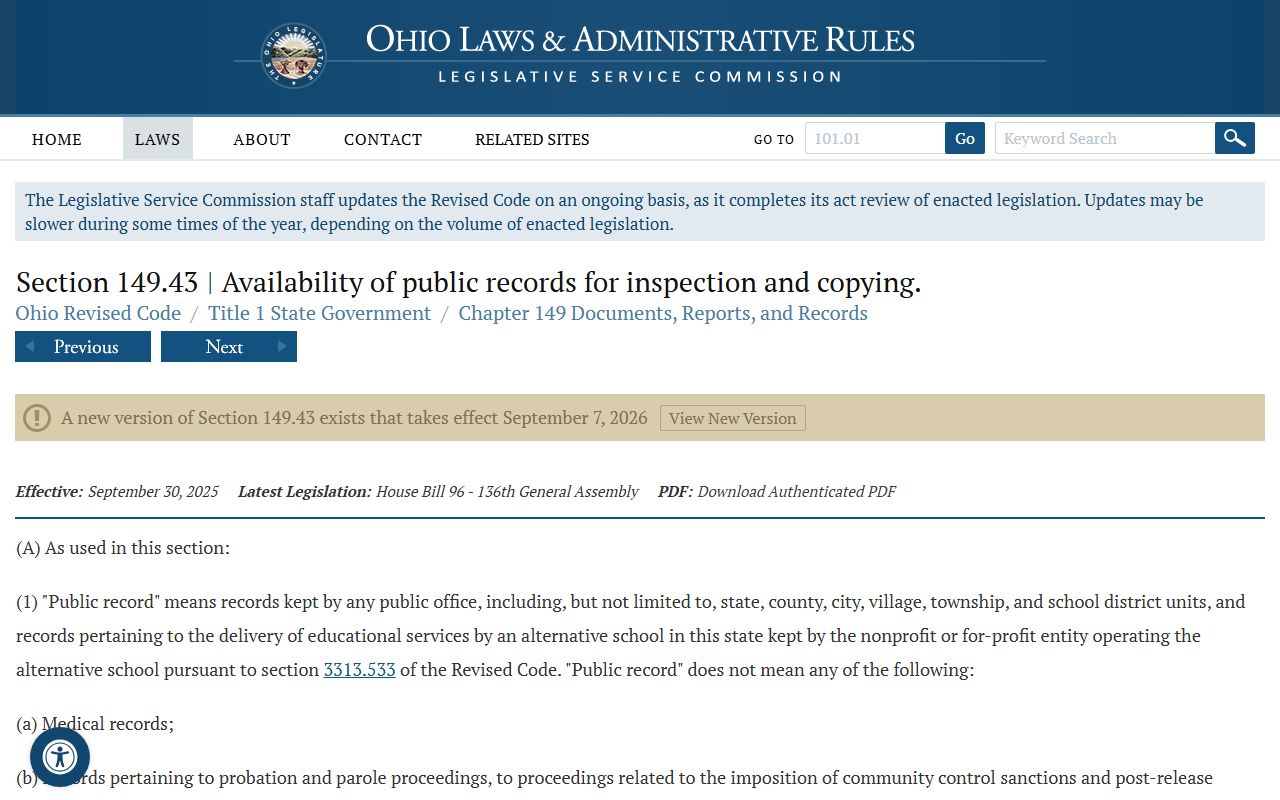
For prison records, the public-records analysis must be paired with ODRC-specific limits because correctional records have their own confidentiality statute.
Search the Ohio Inmate Population
Ohio inmate search is a routing problem. Start with the most likely custody level, then check the next system if the first search fails. A person arrested today may not appear in ODRC at all. A person sentenced months ago may no longer appear on a county roster. A federal defendant may never enter an Ohio county jail except for a brief hold or contract bed. Immigration detention can overlap with local or federal custody but still has its own ICE search tool.
- Use ODRC Offender Search for sentenced Ohio prison custody, APA supervision, judicial release, or violator-at-large status.
- Use the Ohio County Directory for recent arrests, pretrial custody, county jail sentences, and regional jail routing.
- Use the BOP Inmate Locator for federal prison custody from 1982 to the present.
- Use ICE ODLS for immigration detention when the person may be held under civil immigration authority.
- Use Ohio VINELink for custody-status notification where the agency participates.
The ODRC Offender Search is the official Ohio prison and supervision locator.
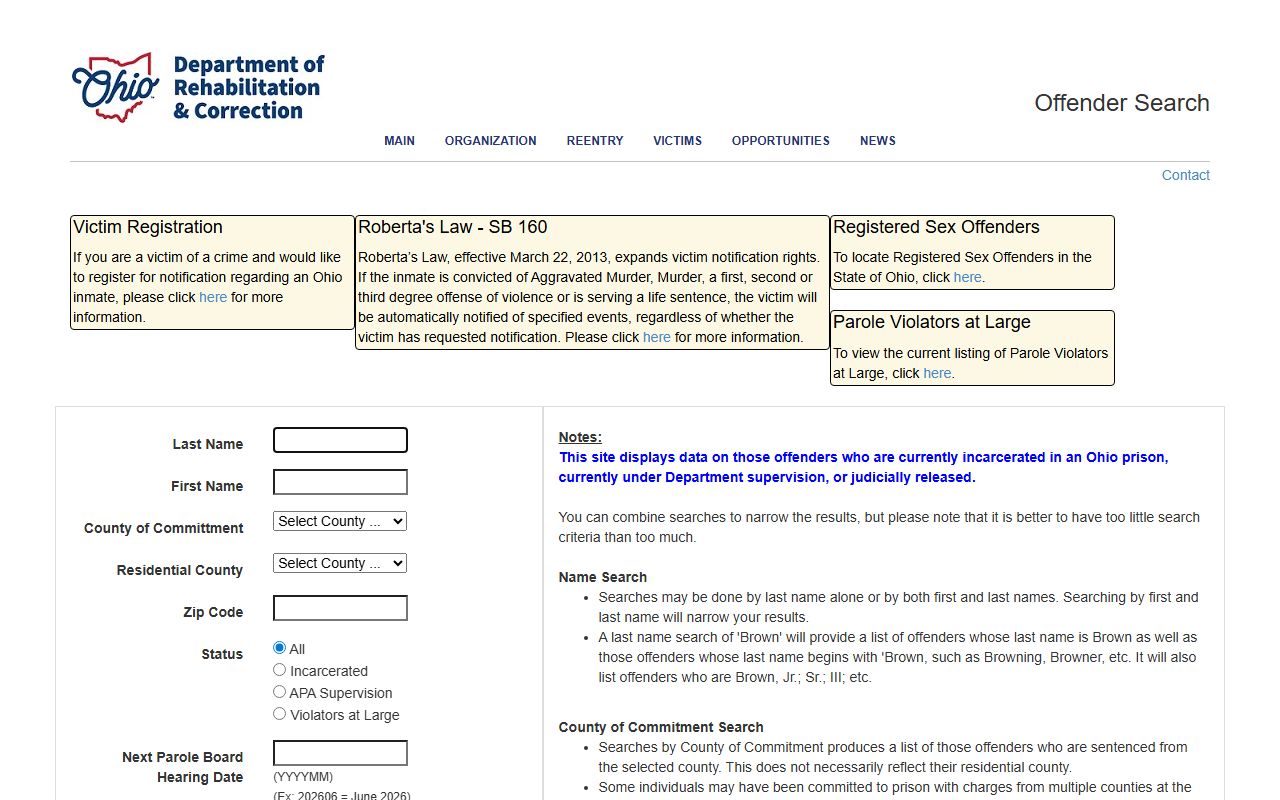
ODRC search results can include incarcerated people, released people under supervision, judicial releases, and violators at large, so the status field matters.
ODRC number searches are the most precise when the number is known. The research notes that a prefix must be used, with W for female inmates and A or R for male inmates, followed by six digits with no spaces or hyphens. Name searches should start broad because ODRC warns that too much search criteria can miss a record. A last-name search can also return names that begin with that spelling, so profile details still need to be checked before treating a result as the right person.
Ohio Jail vs Prison Search
County jail and ODRC prison records answer different questions. A jail roster is about booking and local custody. It may show arrest date, booking number, charges, bond, housing, mugshot, and release status. ODRC search is about state-prison custody and supervision. It may show the ODRC number, institution, commitment county, status, parole-board hearing month, and supervision signals. One does not replace the other.
| Question | Best first source | Why |
|---|---|---|
| Was someone just booked? | County or regional jail roster | Fresh arrests start locally. |
| Is someone serving an Ohio prison sentence? | ODRC Offender Search | ODRC holds sentenced state prisoners. |
| What charges were filed? | County or municipal court clerk | The case record is separate from the jail roster. |
| Can notifications be set? | Ohio VINELink | VINELink handles custody-status alerts for participating agencies. |
The Ohio VINELink portal supports notification registration for custody-status changes.
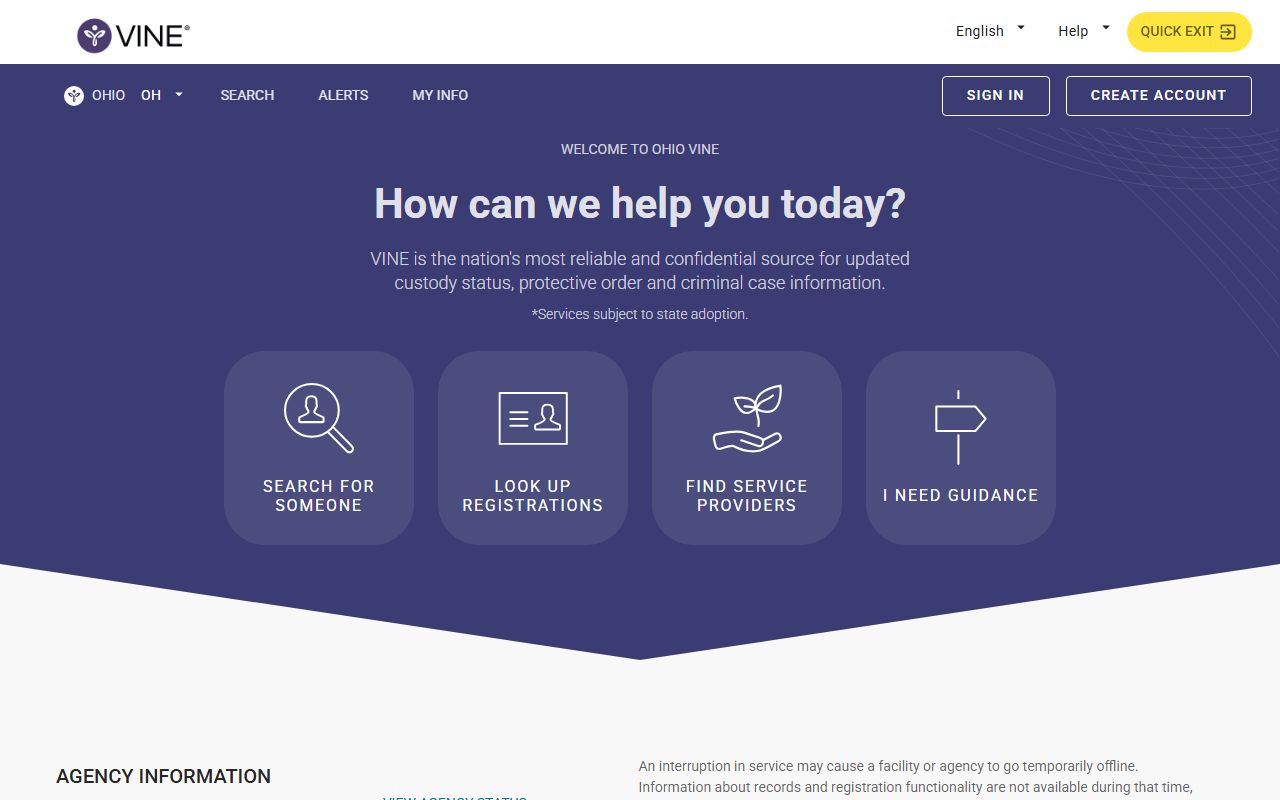
VINELink is useful for alerts, but urgent release or custody questions still need confirmation from the holding agency.
County of commitment is another common point of confusion. In ODRC, it refers to the Ohio county tied to the sentence. It does not always match the county where the person lived, the county where the person was arrested, or the county where the current prison is located. For people under APA supervision or listed as violators at large, residential county or ZIP searches use last recorded address information and may lag behind current location.
Ohio Federal and Court Records
Federal custody and Ohio court records sit beside the jail and prison systems. BOP states that its locator covers federal inmates from 1982 to the present and does not include non-federal inmates. ICE ODLS is the immigration detention search channel and supports A-Number and biographical searches. Ohio courts require a local-court path for most trial-level criminal records because the state does not have one single public trial-court case-search portal.
The Federal Bureau of Prisons Inmate Locator is the right tool for federal custody, not county jail custody.
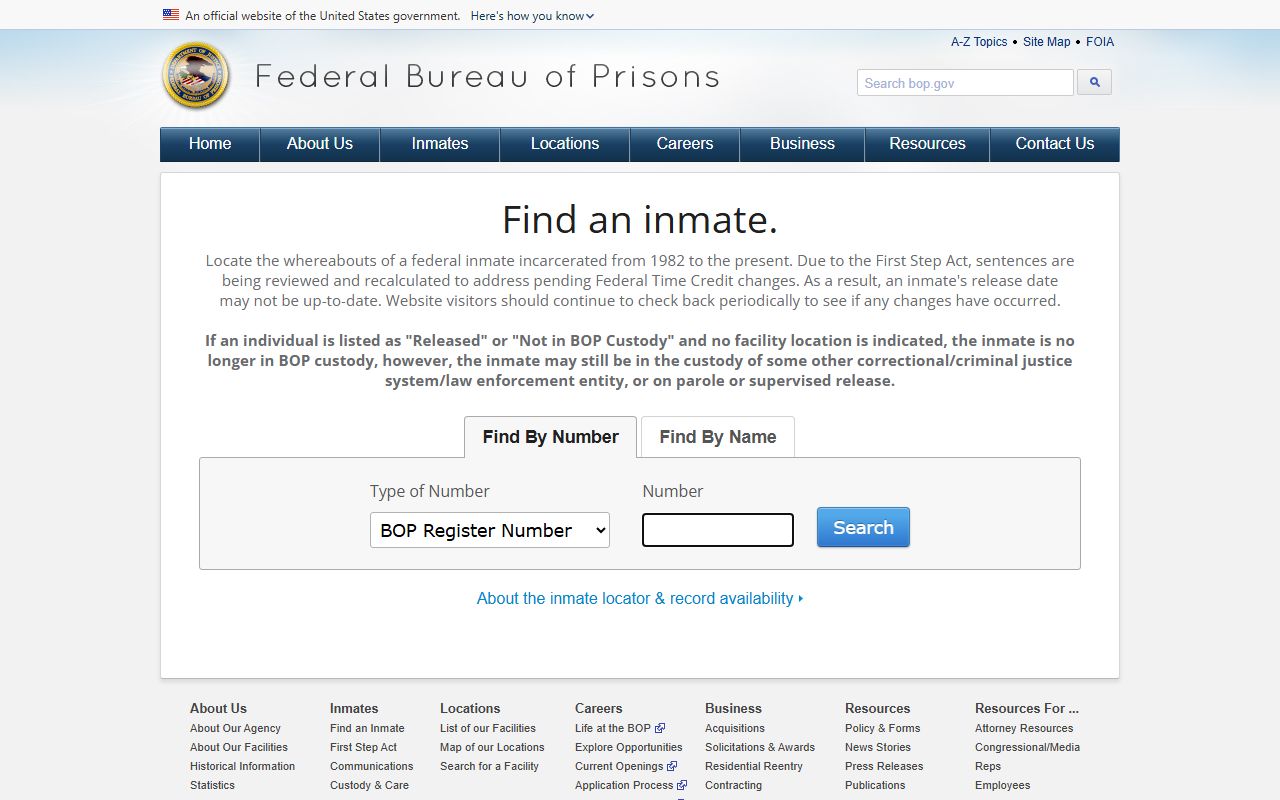
BOP release dates can change when sentences are recalculated, so federal records should be checked again near a projected release.
The Ohio courts directory helps users find the local court or clerk when a jail arrest has become a criminal case.
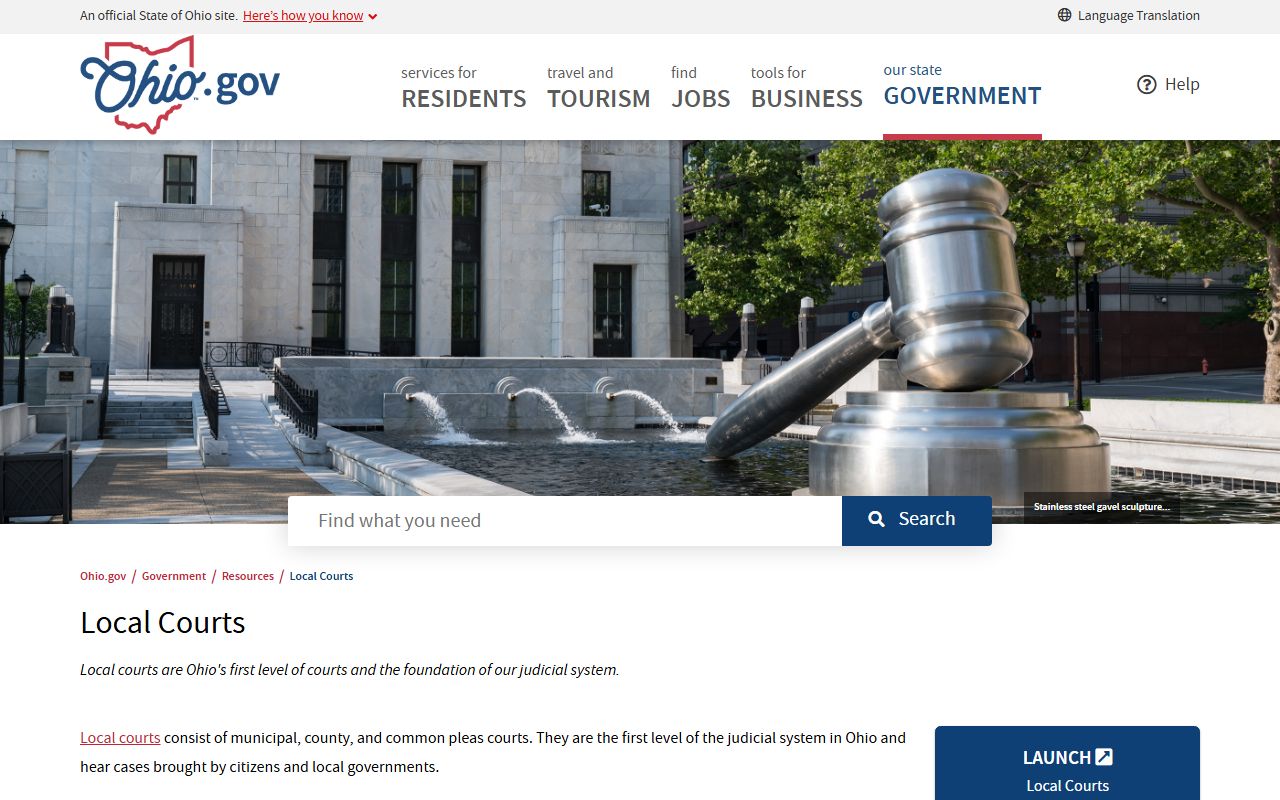
That court route is often the best source for charge status, sentencing entries, warrants, revocations, and sealing or expungement activity.
The Ohio Attorney General victim-notification page explains how victims and concerned citizens can register for custody-status updates by phone, email, text, or TTY.
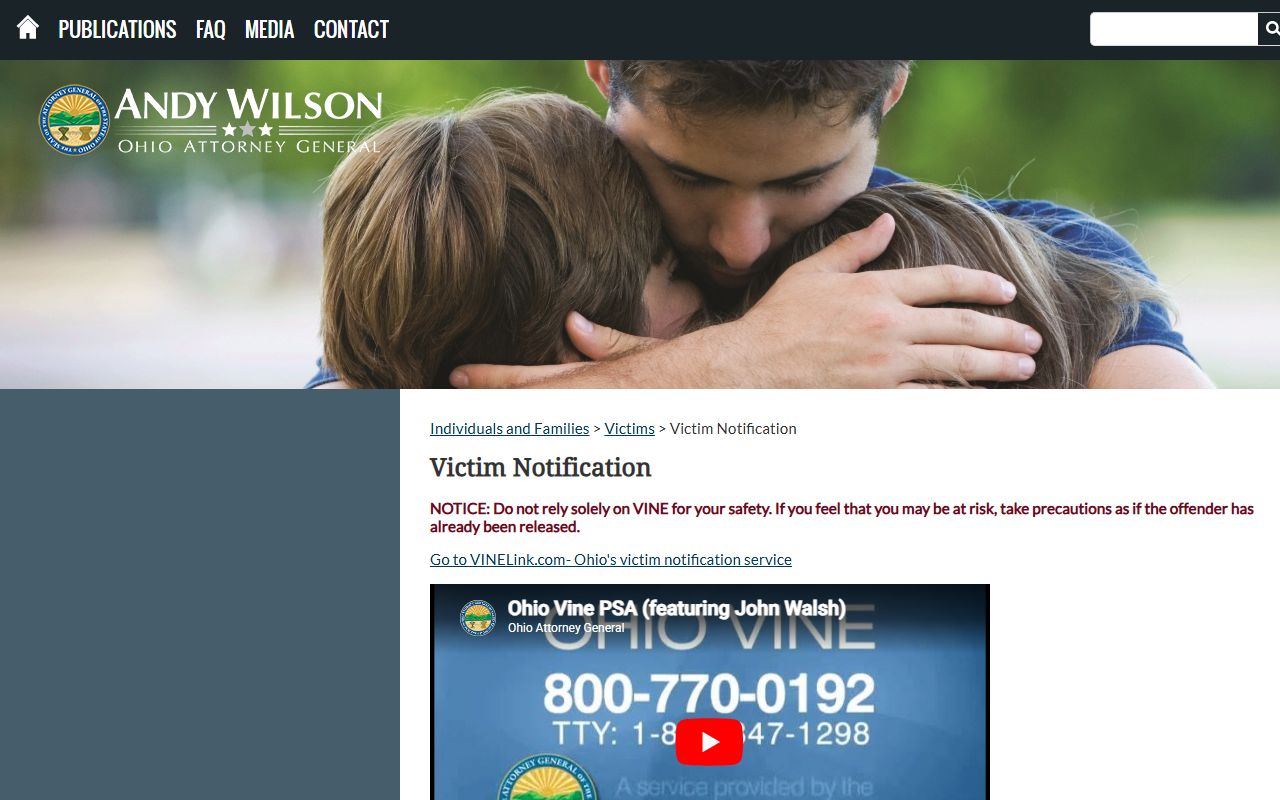
Notification pages are most useful after the correct jail, prison, or court system has already been identified.
Ohio Detention Facilities
Ohio has county jails, regional jails, municipal holding facilities, state prisons, federal custody points, CBCFs, community-corrections centers, private or contract institutions, and juvenile detention centers. The statewide facility directory lists them as one alphabetized roll-up, while county-specific sites handle the local roster and facility details. Regional jails such as CCNO, Southeastern Ohio Regional Jail, Tri-County Regional Jail, and Multi-County Correctional Center can serve more than one county, so the statewide directory de-duplicates them.
State prisons are listed as statewide facilities even when they sit in a county. A person at Ross, Pickaway, Lebanon, Warren, Trumbull, Mansfield, Richland, Marion, Noble, Toledo, Southern Ohio, Ohio State Penitentiary, Franklin Medical Center, ORW, or another ODRC institution should be searched through ODRC first. County jail pages remain useful for the arrest stage and for people still in local custody.
CBCFs and community-corrections centers need a separate label because they are residential correctional settings for court or community-control placements, not ordinary booking jails. A user looking for a new arrest should not assume a CBCF has the same public roster as a sheriff's jail. A user looking for a placement after sentencing, community control, or probation action may need the court docket, probation office, facility contact, or ODRC community-sanctions context instead of a jail roster.
Juvenile detention rows also require caution. The facility directory includes juvenile facilities for routing accuracy, but juvenile custody is not treated like adult public jail booking data. A parent, guardian, attorney, or authorized party may need to use the juvenile court or the facility's authorized contact process. Adult inmate-search language should not be read as an invitation to search public juvenile rosters.
Uncovered municipal rows in the statewide directory are handled differently from county-covered facilities. Research identified Centerville, Garfield Heights, Independence, Kettering, North Royalton, Parma, Shelby City, Tallmadge, and Westlake as official local detention or holding entries that did not have full county facility-page coverage in the checked maps. Those rows keep their official contact or roster URLs and do not invent subdomain links. That makes the Ohio facility list complete enough for routing while keeping page-level claims tied to researched sources.
Ohio Inmate Population FAQ
How large is the Ohio inmate population?
ODRC's accessible January 6, 2026 monthly population count listed 45,704 people in total institutional population. That figure covers the state-prison side of the Ohio inmate population. It does not combine every county jail, regional jail, municipal holding cell, CBCF, federal bed, ICE bed, or juvenile facility.
Where does an Ohio inmate search start?
Start with custody type. Use ODRC for sentenced state-prison custody and supervision. Use the county directory for fresh arrests and county jail custody. Use BOP for federal custody, ICE for immigration detention, and VINELink for custody notifications.
Why can a person disappear from a county roster?
A county roster often stops showing a person after release, transfer, or commitment to ODRC. The court case may still be active, and the ODRC locator may become the better source after a prison transfer.
Does Ohio have one statewide jail roster?
No single statewide trial-court or jail roster covers all county jail bookings. Ohio jail custody is local and regional, so the correct roster is usually the sheriff, regional jail, or municipal facility that booked or holds the person.
Why do ODRC population figures use dates?
ODRC counts change as people are admitted, released, transferred, returned on violations, or moved between state-operated and private or contract facilities. A dated count tells readers what was measured and prevents a staffing-ratio figure, institutional total, county jail count, or community-corrections count from being treated as the same number.
Where do public-records requests go?
Requests go to the office that keeps the record. County jail booking records go to the sheriff, regional jail, or city facility. ODRC prison records go to ODRC. Court records go to the clerk. BOP and ICE records use federal channels.
Public Record Search
Sponsored Results