
How Ohio Inmate Records Work
Ohio does not have one public roster that merges every sheriff, regional jail, state prison, federal prison, immigration detention bed, and court record. County inmate records begin with the agency that booked or holds the person. ODRC inmate records begin after state-prison commitment or when a person is under Adult Parole Authority supervision. Federal and immigration custody use separate national systems. Court records then explain the charges, bond, plea, sentence, revocation, or judicial-release activity tied to the custody event.
That split is useful when read correctly. A county jail roster can be fast for a fresh arrest, but it may drop a person after transfer or release. ODRC can show a sentenced person after prison intake, but it is not a live city or county booking log. VINELink can add notification options, but it is not a full roster. The court clerk can show charge status, but it may not confirm where the person sleeps that night.
The ODRC Offender Search is the statewide search point for Ohio prison and supervision records.
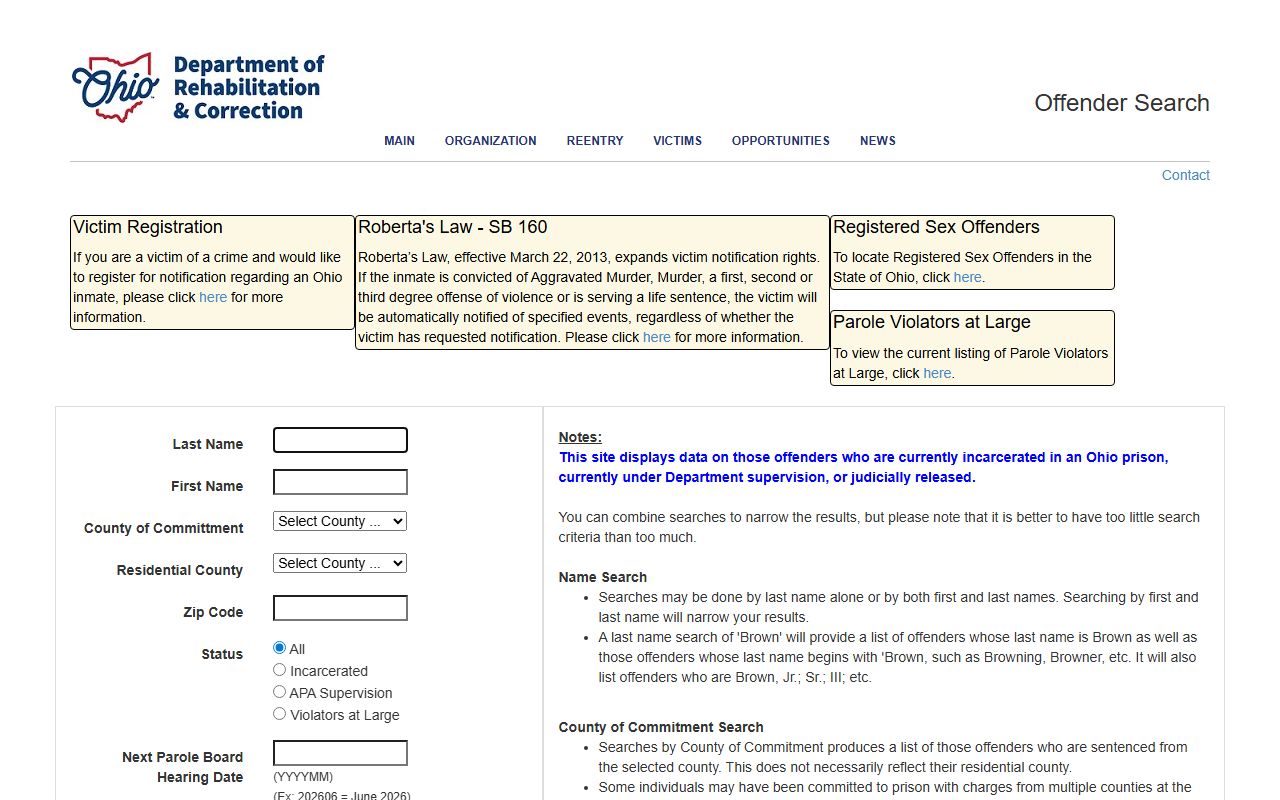
Use ODRC after state-prison commitment or supervision, then use county and court records to fill in the arrest and charging history.
Find Ohio Inmate Records
The best search order is based on custody status. A new arrest, warrant pickup, municipal hold, or pretrial booking points to the county or regional jail. A felony prison sentence points to ODRC. A federal sentence points to BOP. A civil immigration hold points to ICE ODLS. If custody status is unclear, search broadly and compare the dates, identifiers, and counties.
- Search ODRC by number when a state-prison identifier is known, using the A, R, or W prefix and six digits.
- Search ODRC by last name alone when the number is unknown, then add first name only if the result set is too broad.
- Use the County Directory for recent bookings, pretrial custody, county sentences, and local jail rosters.
- Use BOP for federal inmates from 1982 to the present and ICE ODLS for immigration detention searches.
- Use the local court or clerk record when the question is charges, bond, indictment, plea, sentence, or sealing.
Ohio Custody Systems
Ohio inmate records are easiest to read when each system is kept in its lane. Jail records are local, prison records are statewide through ODRC, federal prison records are national through BOP, immigration detention uses ICE, and custody notifications use VINELink where agencies participate. A person can move through more than one system during one case.
| Custody type | Run by | Search source |
|---|---|---|
| Recent arrest or pretrial jail custody | County sheriff, regional jail, or city jail | County jail roster through the directory |
| Sentenced Ohio prison custody | Ohio Department of Rehabilitation and Correction | ODRC Offender Search |
| Federal prison custody | Federal Bureau of Prisons | BOP Inmate Locator |
| Immigration detention | U.S. Immigration and Customs Enforcement | ICE Online Detainee Locator System |
| Notification registration | VINELink and participating agencies | Ohio VINELink |
The BOP Inmate Locator covers federal custody and says it does not contain non-federal inmate records.
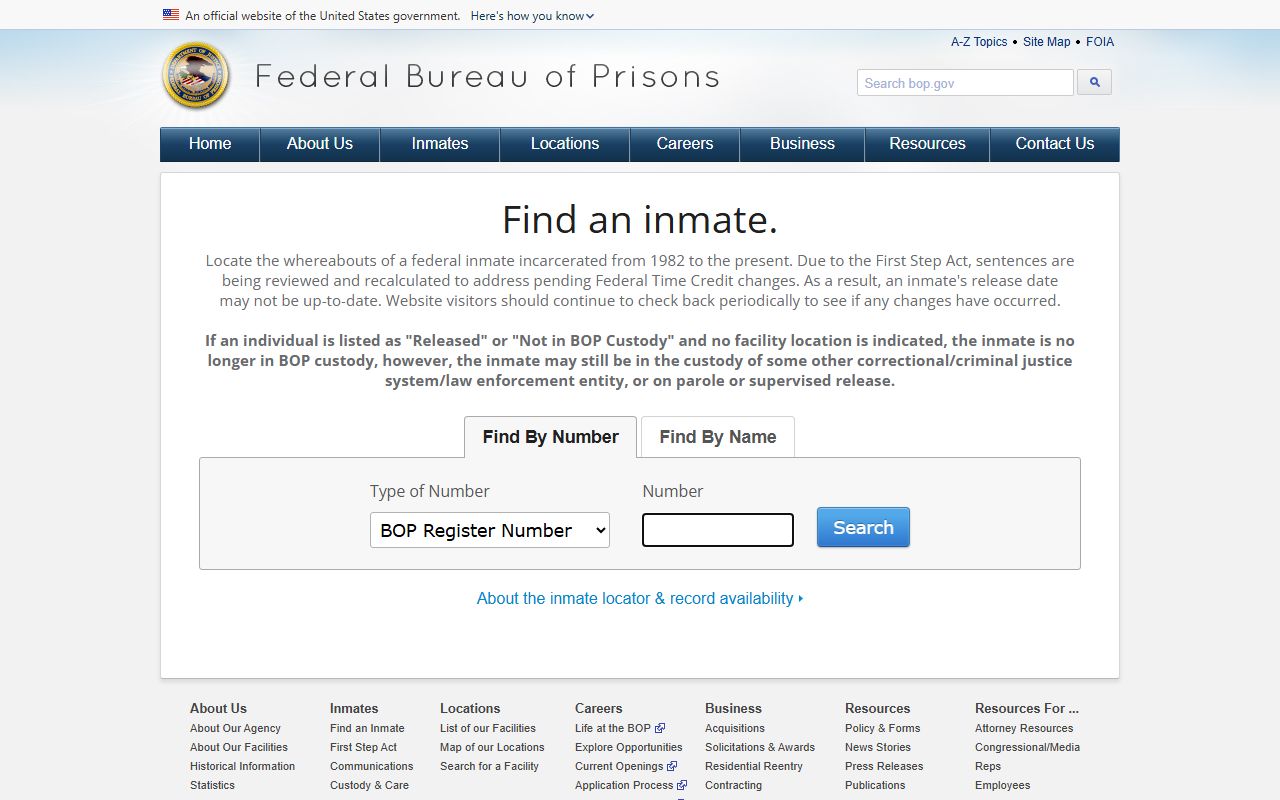
Federal release dates may change after sentence review, credit calculation, or other federal updates.
Ohio Jail Roster Fields
County jail roster fields vary because each sheriff, regional jail, or city system controls its own roster. Most rosters still answer the same basic questions: who was booked, when the booking occurred, what charges were listed at intake, whether bond is shown, where the person is housed, and whether a mugshot is displayed. Court records must be checked because booking charges may change after the prosecutor files the case.
| Field | What it usually means |
|---|---|
| Name and identifiers | Used to distinguish people with similar names and match the jail record to a court case. |
| Booking date or number | The jail intake event, not always the date charges were filed in court. |
| Charges | Initial booking or filed charges, depending on the roster and update timing. |
| Bond or hold | Release conditions, no-bond holds, detainers, or agency holds when listed. |
| Facility or housing | The jail, regional facility, unit, or custody location shown by the roster. |
| Photo | A booking image when the county publishes one under its local practice and Ohio law. |
Ohio Inmate Notifications
VINELink is a notification channel, not a replacement for a roster. The Ohio Attorney General victim-notification material says victims and concerned citizens can register for phone, email, text, or TTY notice when custody status changes. The value is follow-up: after a person is found in a jail, prison, or court system, VINELink may help monitor later custody events.
The Ohio VINELink portal is the statewide notification path documented in the research.
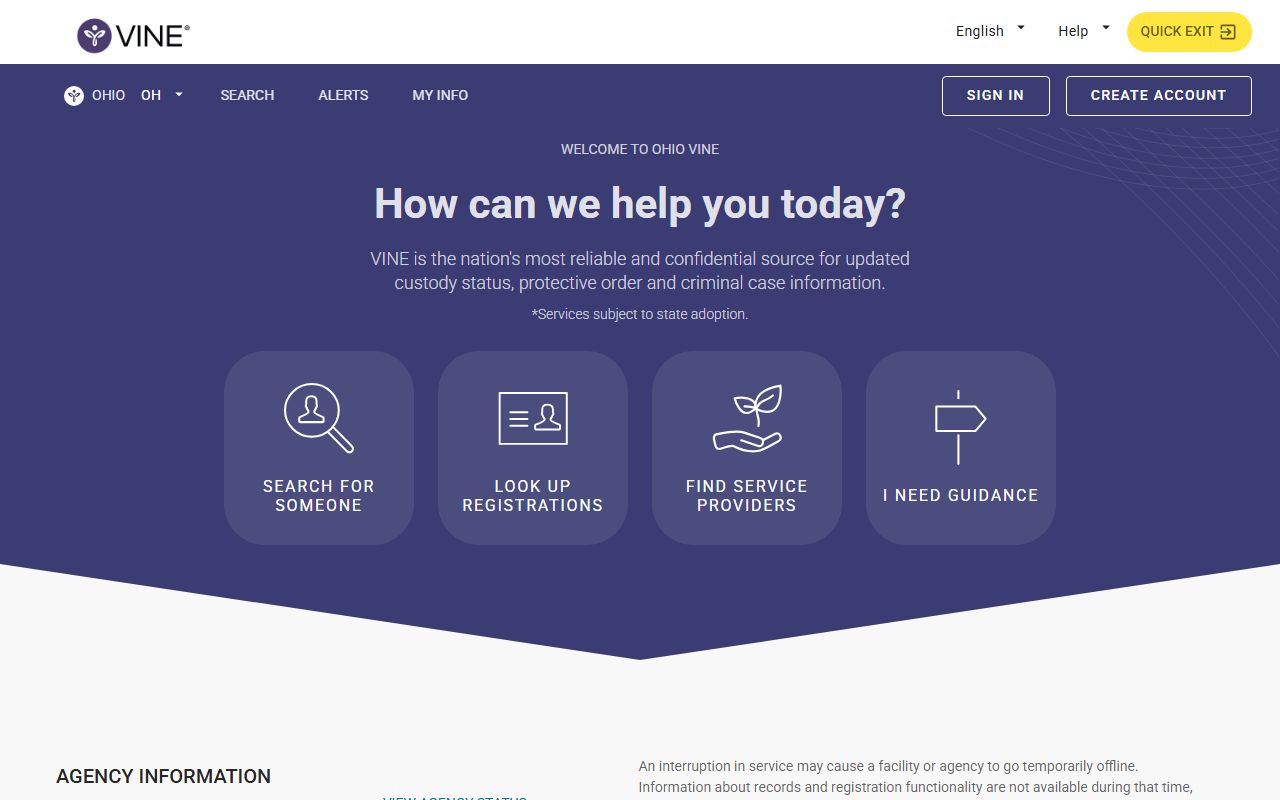
Urgent safety or release questions still need confirmation from the holding agency because online notification systems can lag.
Ohio Public-Records Requests
When the online roster does not show enough detail, the next step is a records request to the agency that maintains the record. Jail booking records usually go to the sheriff, regional jail commission, or city jail. ODRC prison records go to ODRC. Federal prison records use federal routes, and ICE records use ICE facility, ERO, or FOIA channels. Court records go to the clerk that maintains the case.
A clear request names the person, date range, agency, record type, and identifier such as booking number, ODRC number, or case number. ORC 149.43 uses prompt inspection and reasonable-time copy language, but redaction, exemptions, broad wording, and records held at different offices can slow the process. ORC 5120.21 adds ODRC inmate-record limits.
The Ohio Public Records Act is the main statewide records law for jail and prison request routing.
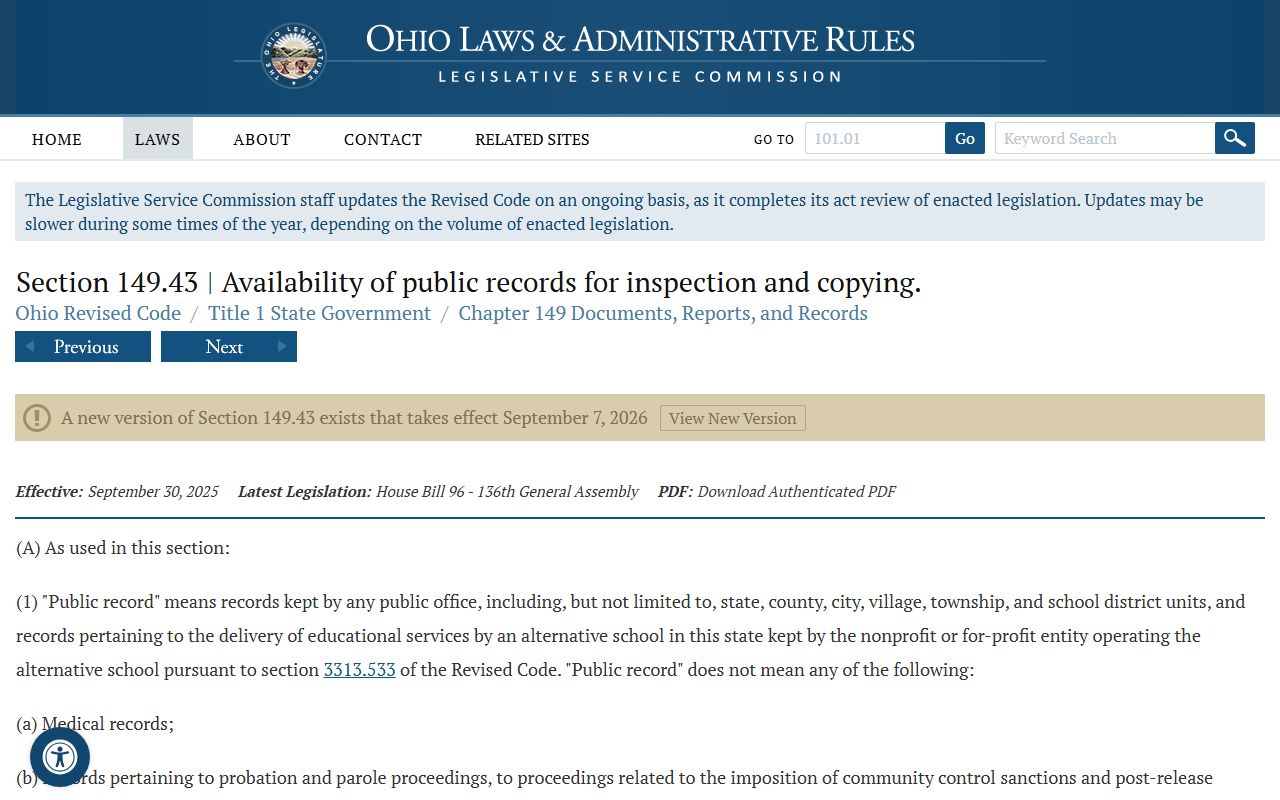
Public access is real, but correctional, medical, juvenile, sealed, victim, and security records can be limited or redacted.
Ohio Inmate Facility Routing
Facility routing is a major part of Ohio inmate records because several facility types can be relevant to one person. A county jail can book the arrest. A regional jail can hold the person for several member counties. A municipal jail may hold the person only briefly. ODRC may later receive the person after prison sentencing. A CBCF or community-corrections center may appear after a court placement rather than a jail booking. Juvenile facilities are listed as caveats because adult public roster rules should not be applied to juvenile custody.
The Ohio Facility Directory should be used when the facility name is known but the correct county route is not. Shared facilities such as CCNO, Southeastern Ohio Regional Jail, Tri-County Regional Jail, and Multi-County Correctional Center can serve multiple counties, so a search by arrest county and a search by current facility may both be needed.
When the facility is private, contract, federal, or mixed-use, the label matters even more. Lake Erie Correctional Institution, North Central Correctional Complex, and Northeast Ohio Correctional Center appear in ODRC population or staffing contexts, but the correct locator depends on legal custody. A facility name alone should be checked against the agency responsible for the person.
Ohio Inmate Court Records
Court records explain why a person is in jail or prison. Ohio does not have a single statewide trial-court public case-search portal. The Supreme Court of Ohio has a public docket for Supreme Court cases, while trial-level criminal, municipal, county, common pleas, juvenile, and appellate records are usually maintained by the local court or clerk. After a jail arrest, the court record may show the complaint, information, indictment, bond, plea, sentence, revocation, and sealing activity.
The Ohio local courts directory helps route a jail arrest to the correct court system.
Use court records with jail and ODRC records because charge status can change after the booking record is first created.
Public Record Search
Sponsored Results